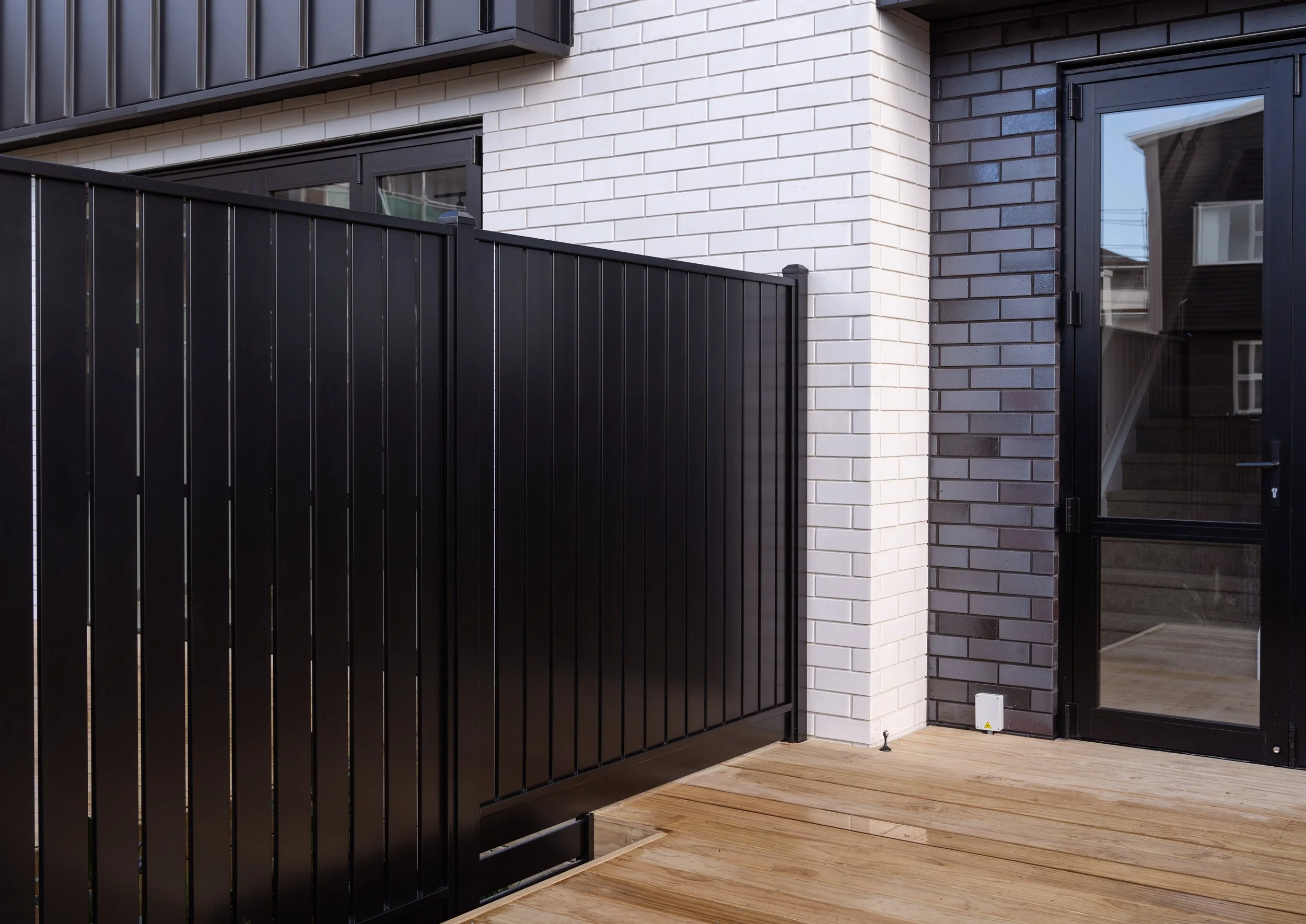
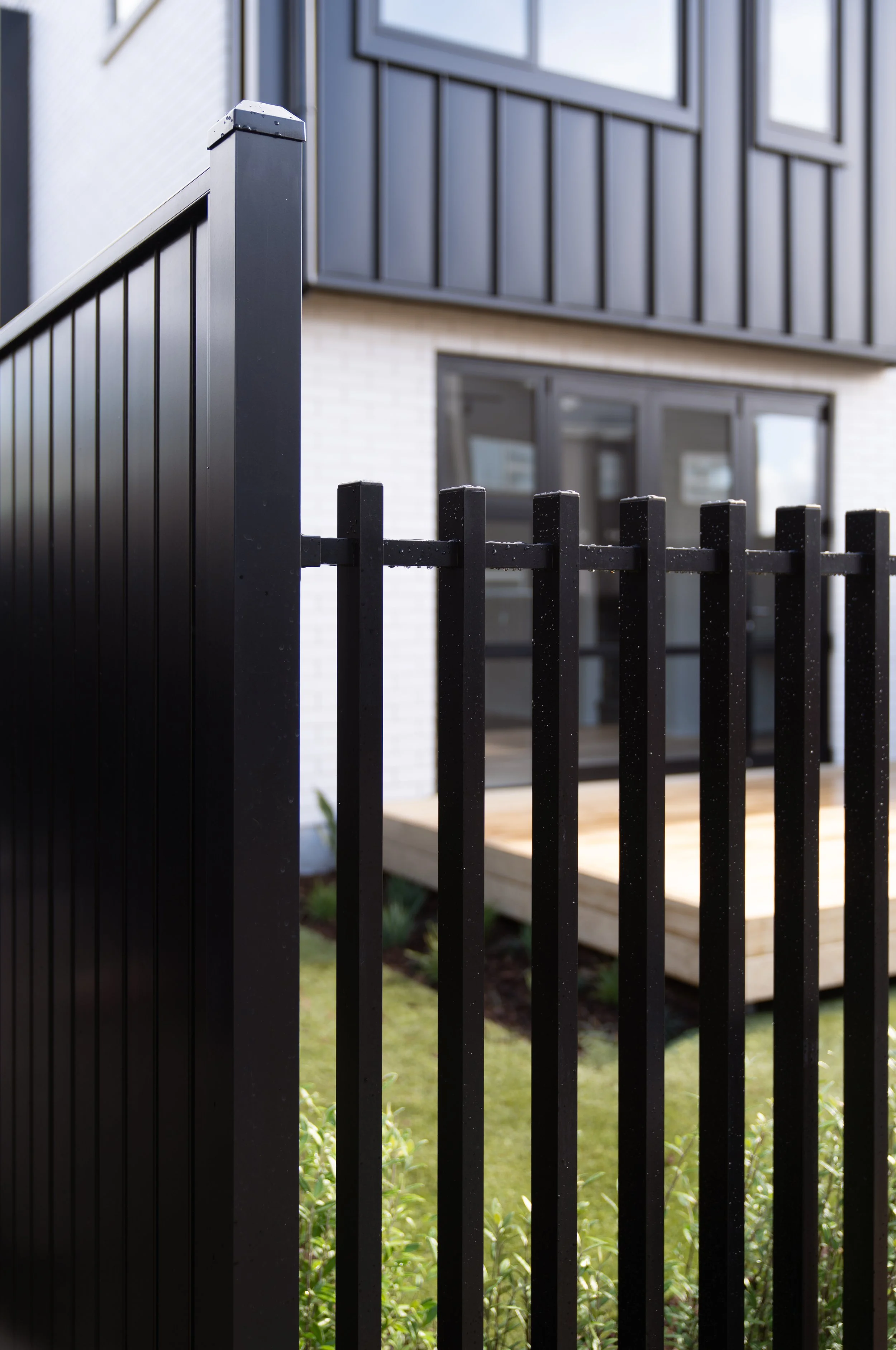
There's a moment in a lot of New Zealand backyards where someone looks at the fence between their property and the one next door and quietly decides it's time. Maybe it's leaning. Maybe it's gone past its working life and out the other side. Maybe a new home on the other side has changed what the fence is being asked to do. Either way, the next thought arrives: and now I have to talk to the neighbours about it.
For most people, that's the harder part. The fence itself is straightforward. The conversation is the bit that quietly puts the project off for another summer.
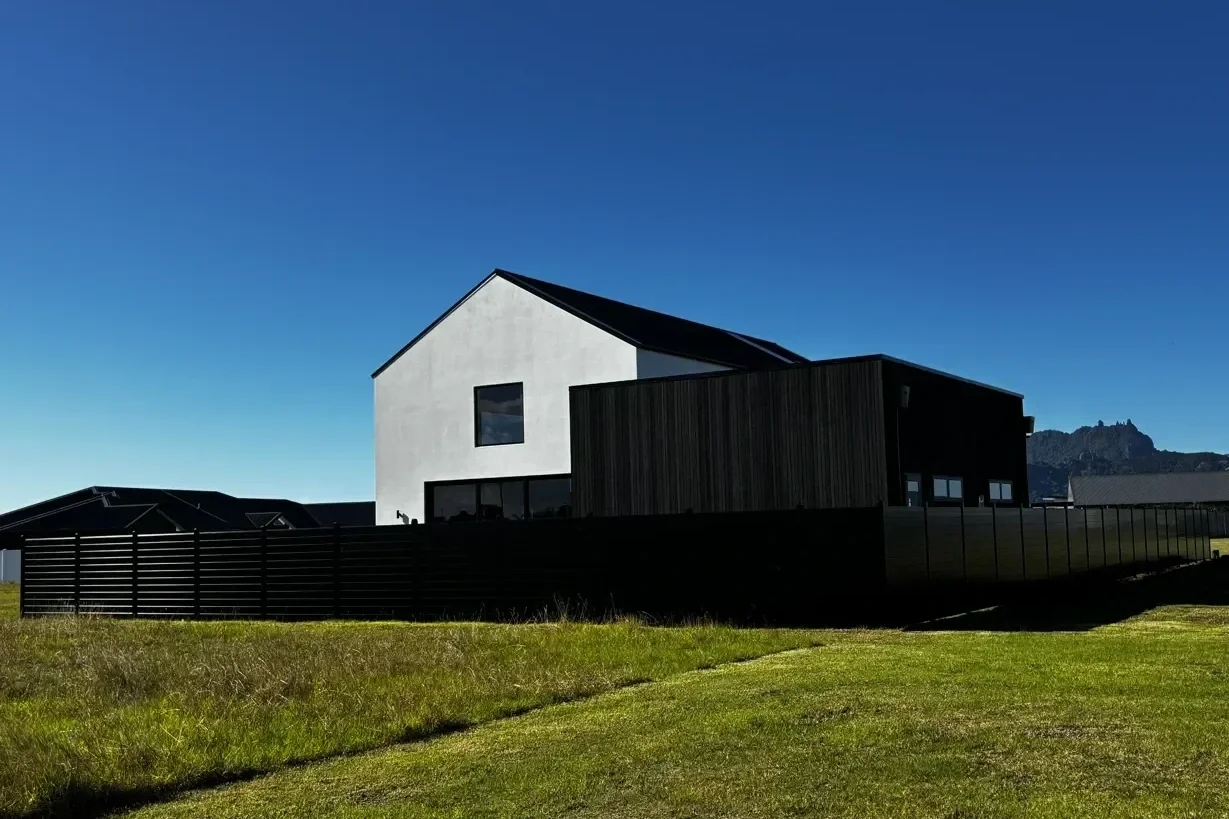
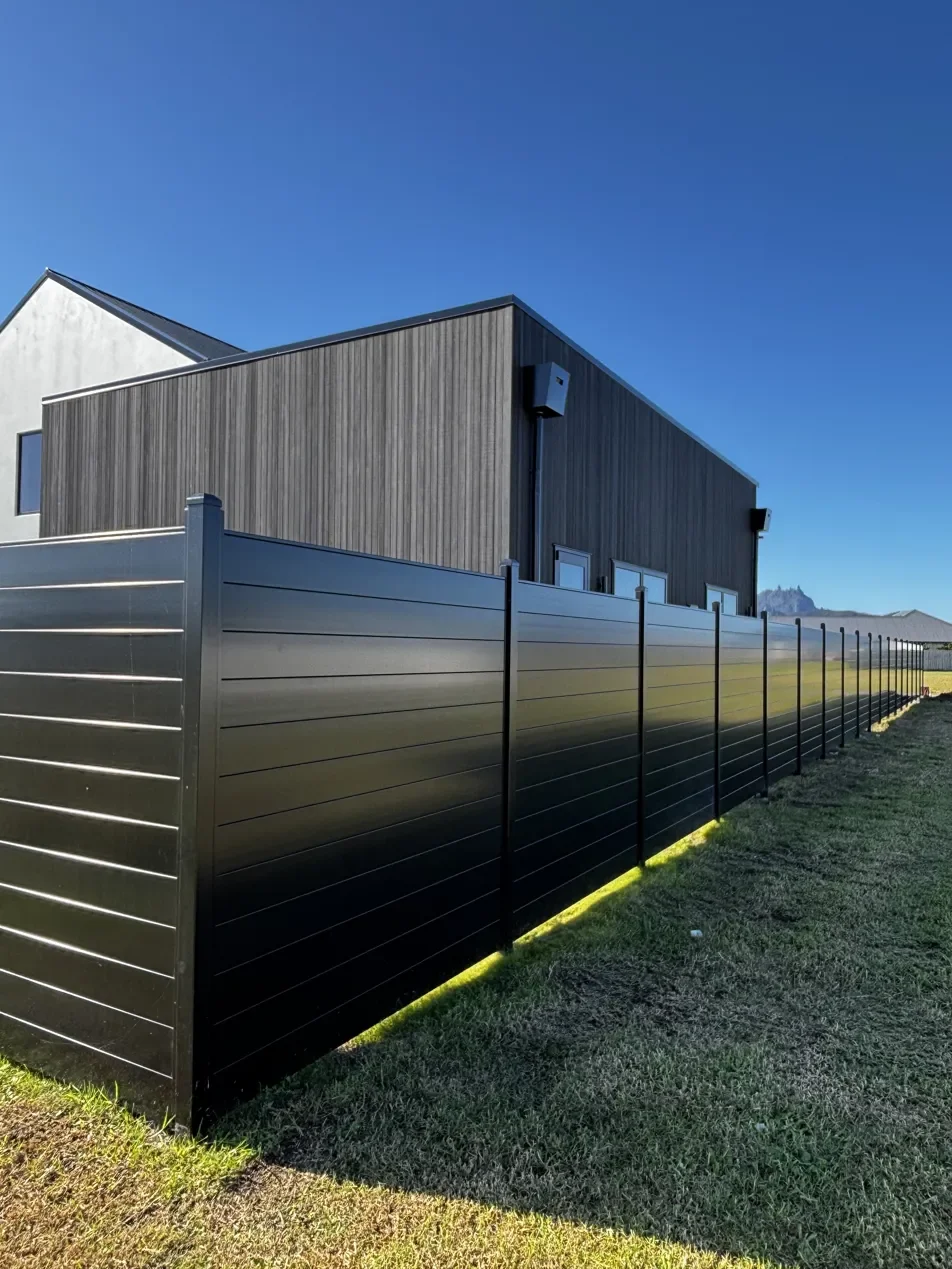
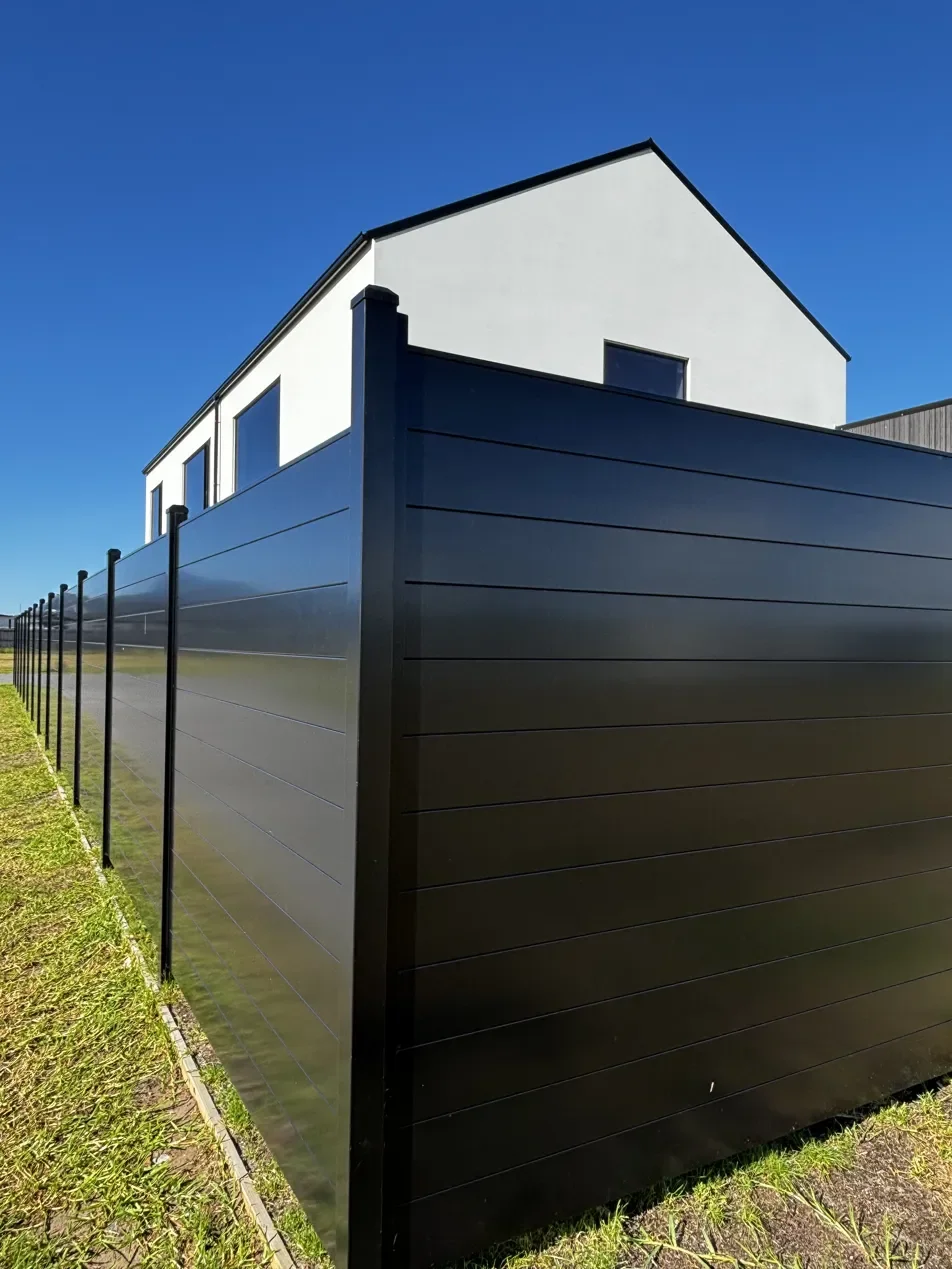
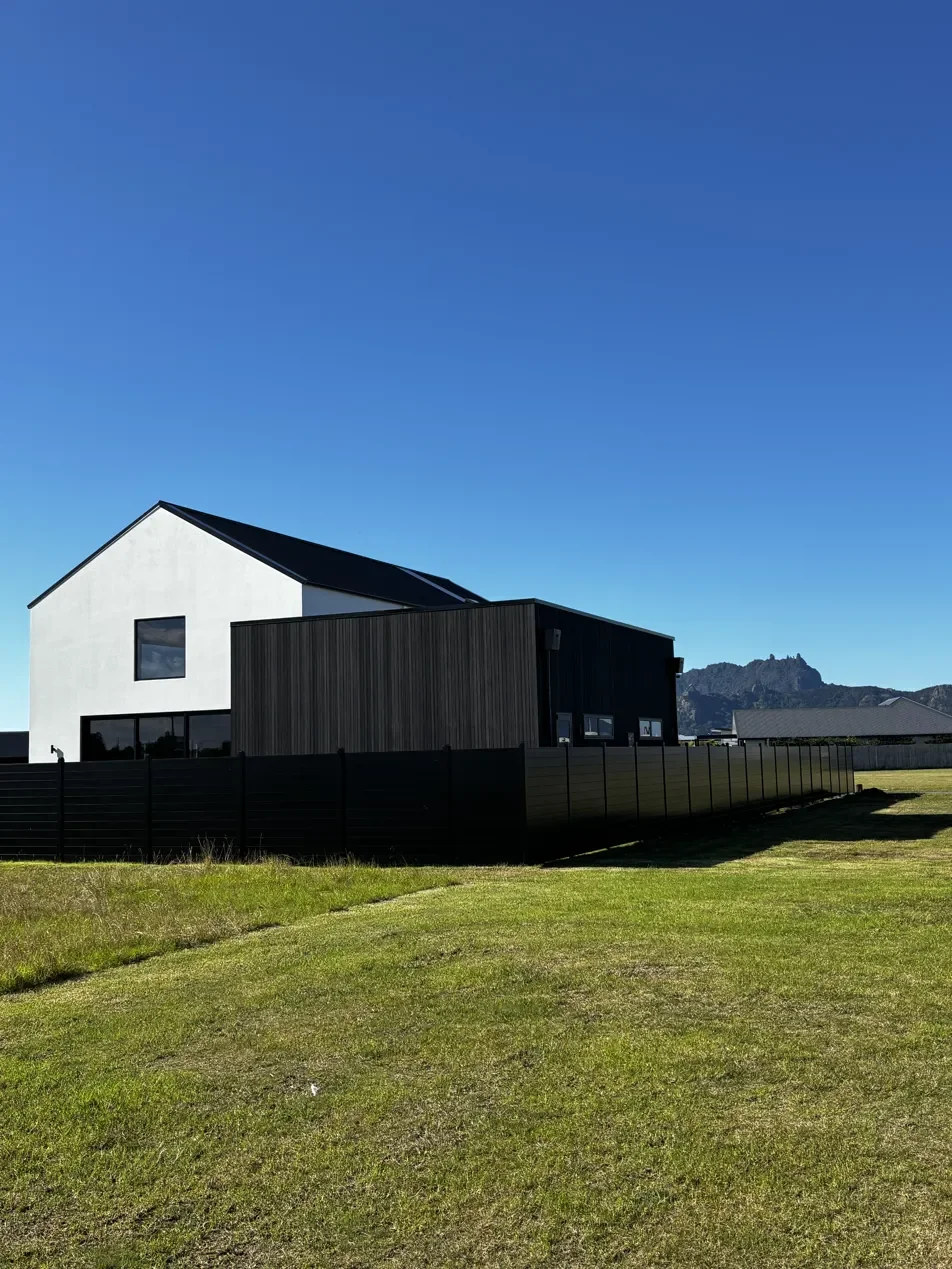
Mako Horizontal Solid Slat boundary fence in Marsden Cove, Northland
It helps to know that the law is on the side of the conversation. In New Zealand, when a fence sits on a shared boundary, both sides go halves on the cost of an adequate fence - one that's reasonably satisfactory for what the fence is being asked to do. If you want something nicer than adequate, the difference is yours. If a storm takes the fence down overnight, either neighbour can crack on with the repair and recover half from the other afterwards. And if the conversation doesn't go the way it should, there's a formal process to help, however most don’t get to this.
A well-chosen aluminium fence helps quietly here too. It looks the same on both sides, doesn't lean toward one property over the other, and ages without anyone needing to pick up a paintbrush. Same fence, same finish, same long working life — and a boundary that holds the line without holding a grudge.
A fence is one of the few things you'll share with the people next door for many years. How it gets built sets the tone for all of them. Done well, it’s the fence you both end up enjoying, there in the background, holding the line, while the people on either side get on with living. Done badly, it’s the thing that gets noticed every time someone steps outside.
Thinking about a shared boundary? We're happy to talk through the spec, the cost split, and the kind of fence that suits both properties. Plenty of our work starts with exactly this conversation.