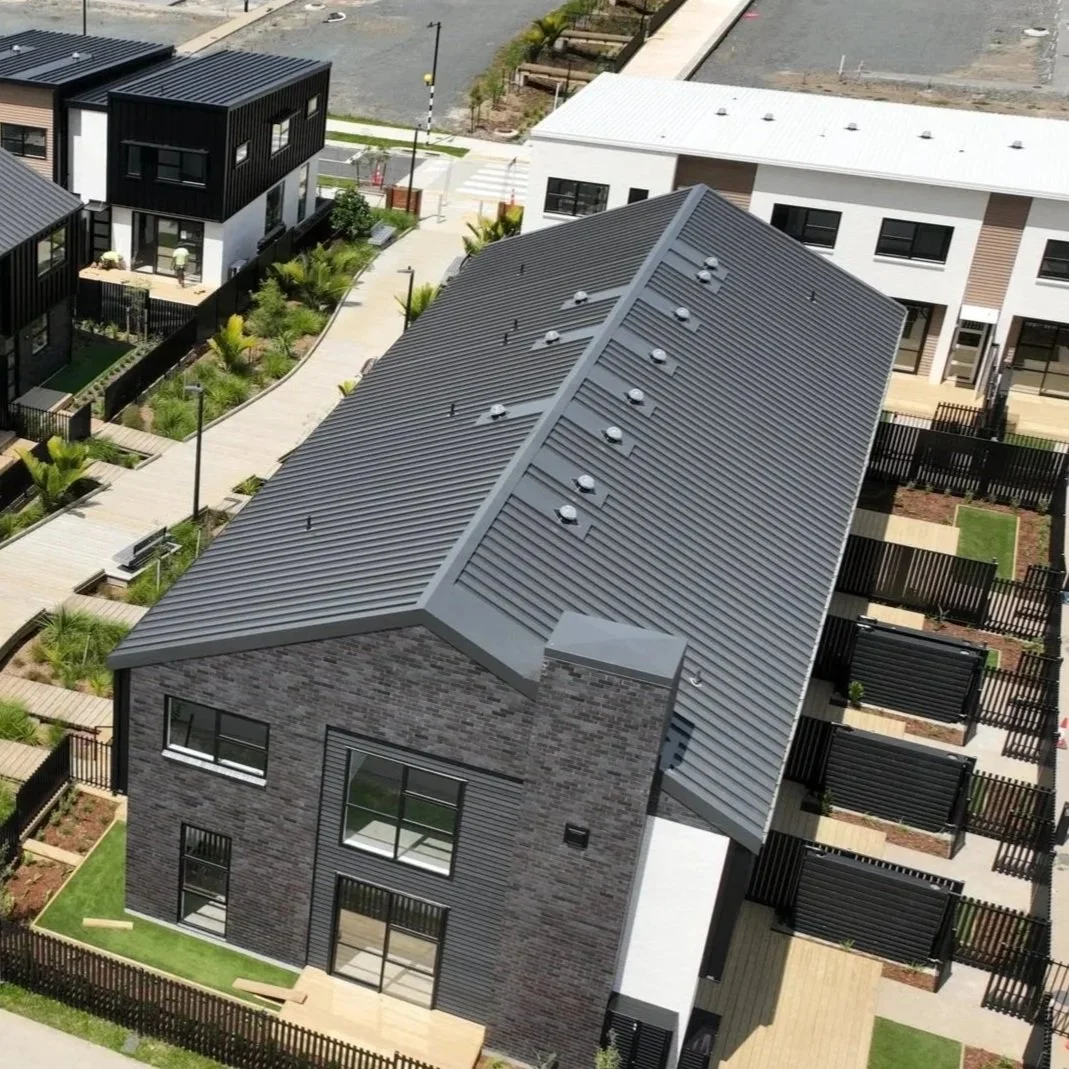
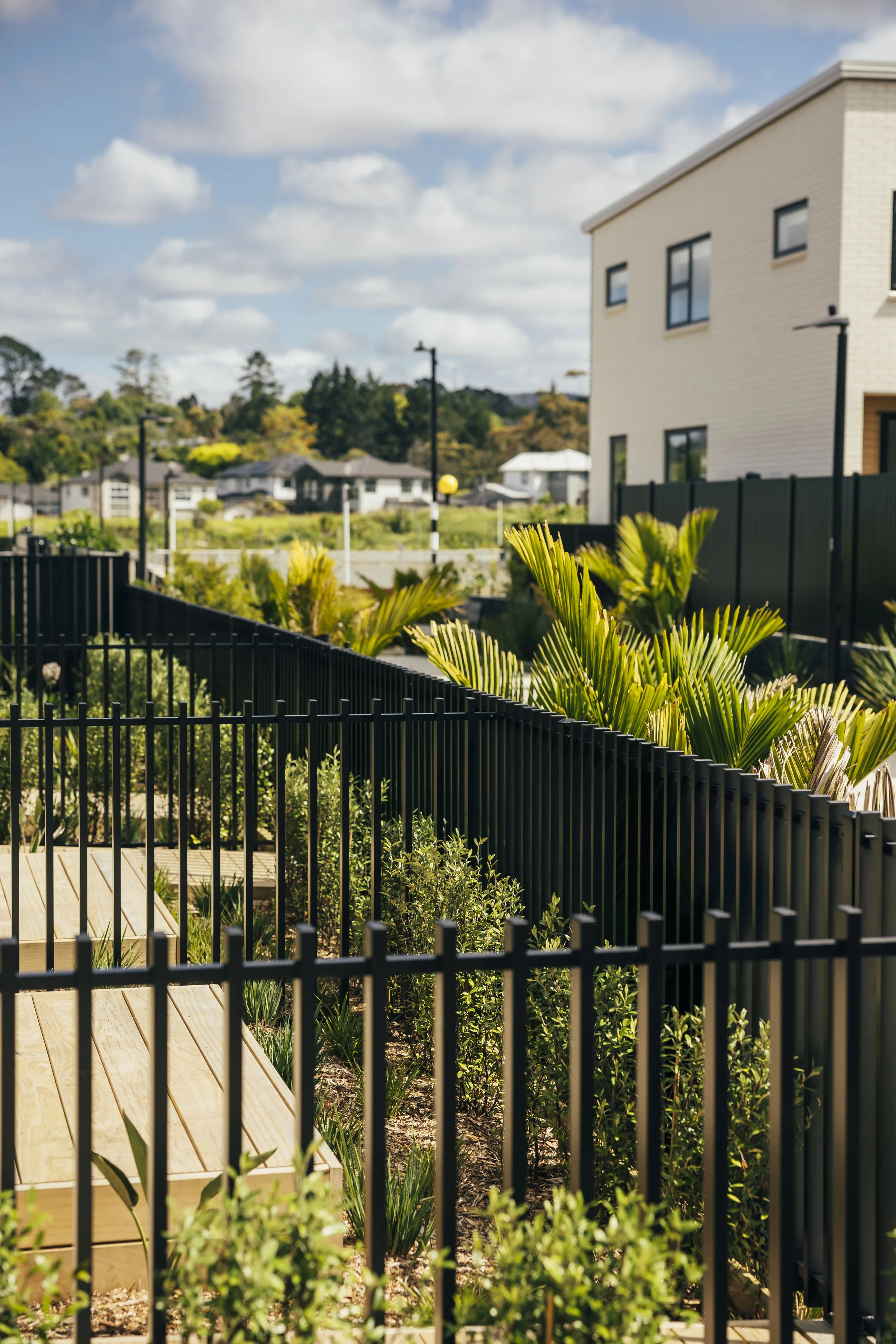
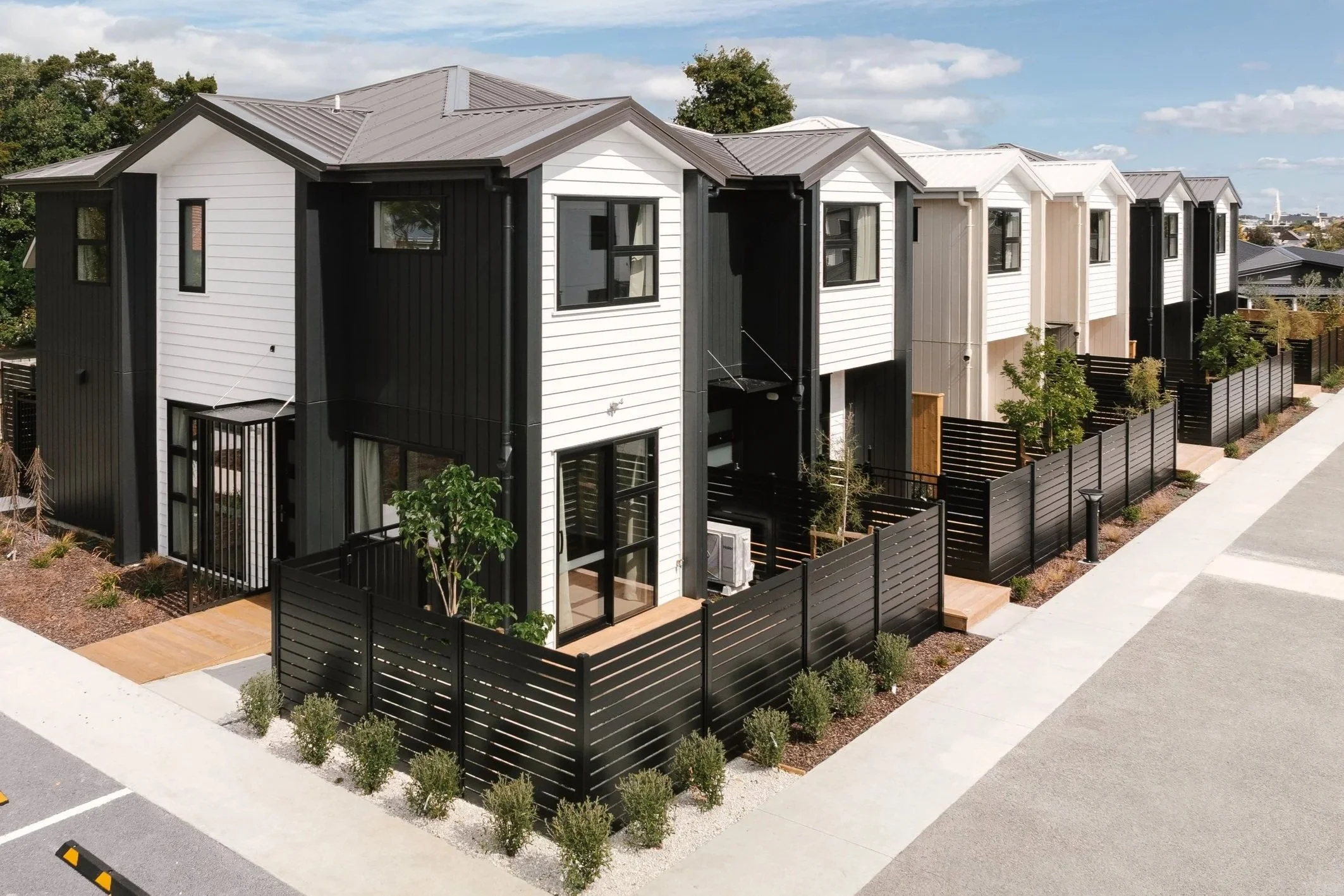
There's a moment near the end of every multi-unit development when the project starts to feel like itself. The cladding's on. The joinery's in. The landscaping is doing its quiet work along the boundaries. And then, somewhere in that final stretch, the fencing goes up, and the whole thing settles.
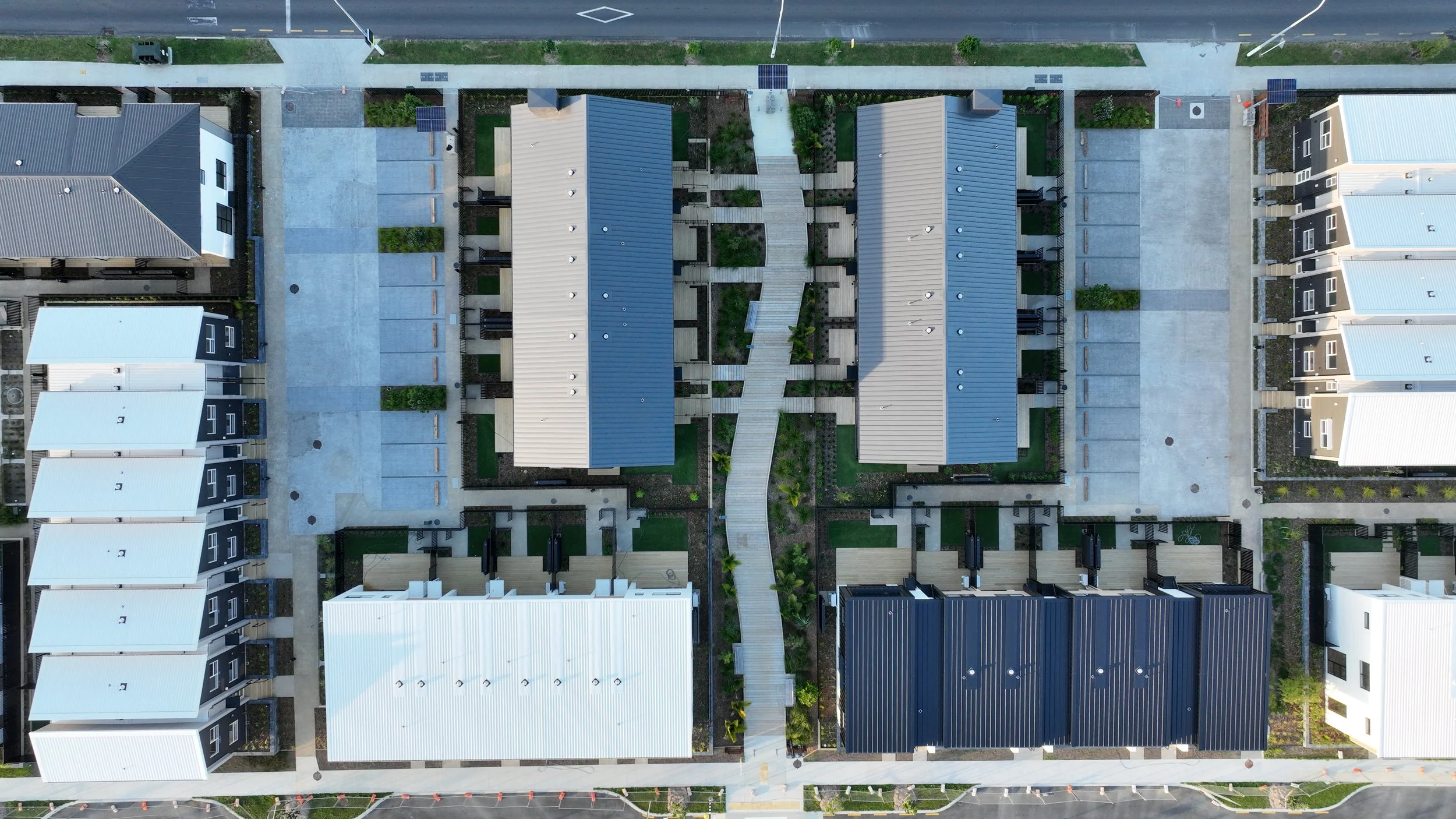
Fencing on a development of any scale does most of its work without being noticed. It's the line between public and private. It's the surface every prospective buyer touches when they walk through the gate for the first time. And on a row of ninety townhouses, it's the thing that quietly tells the eye whether the development was built as one considered whole, or assembled in pieces.
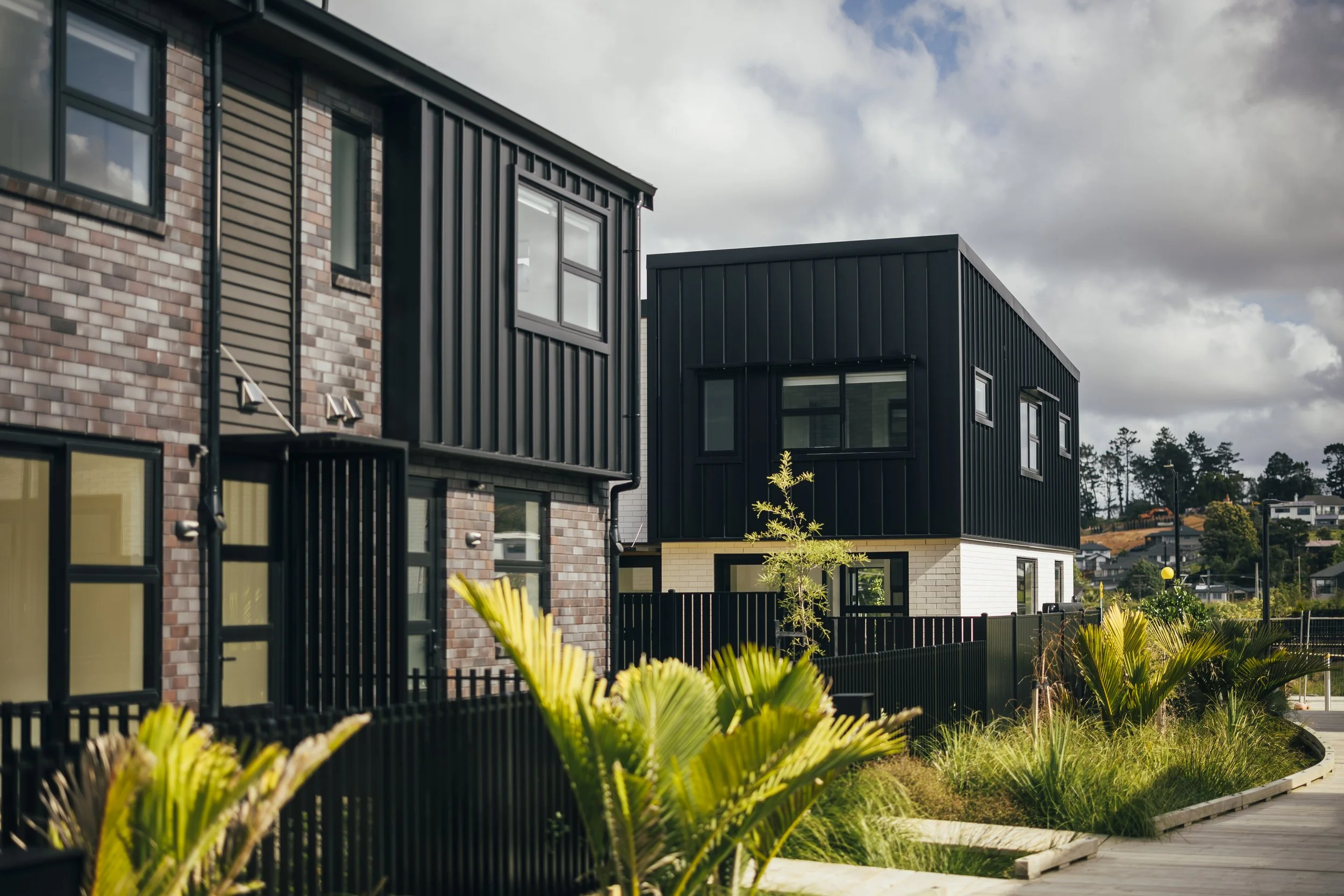
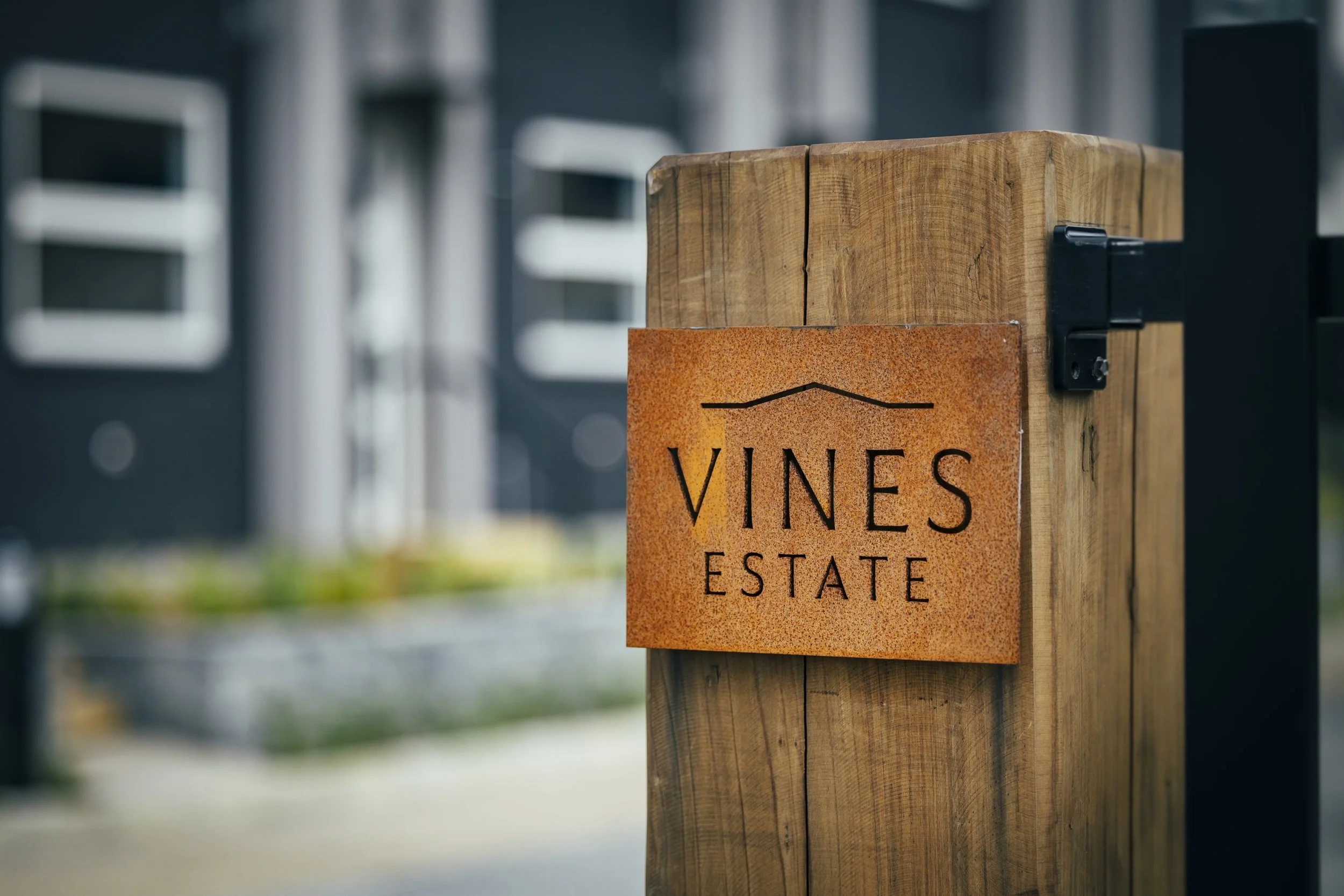
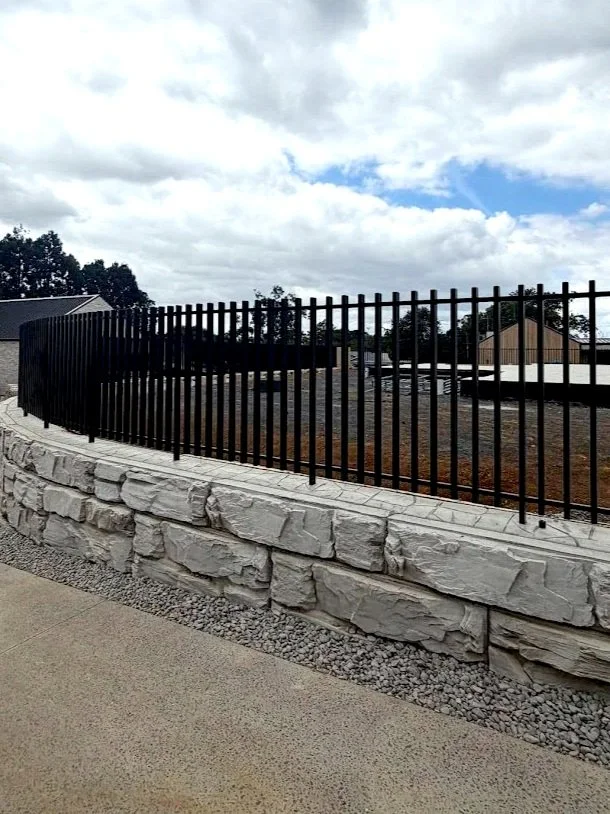
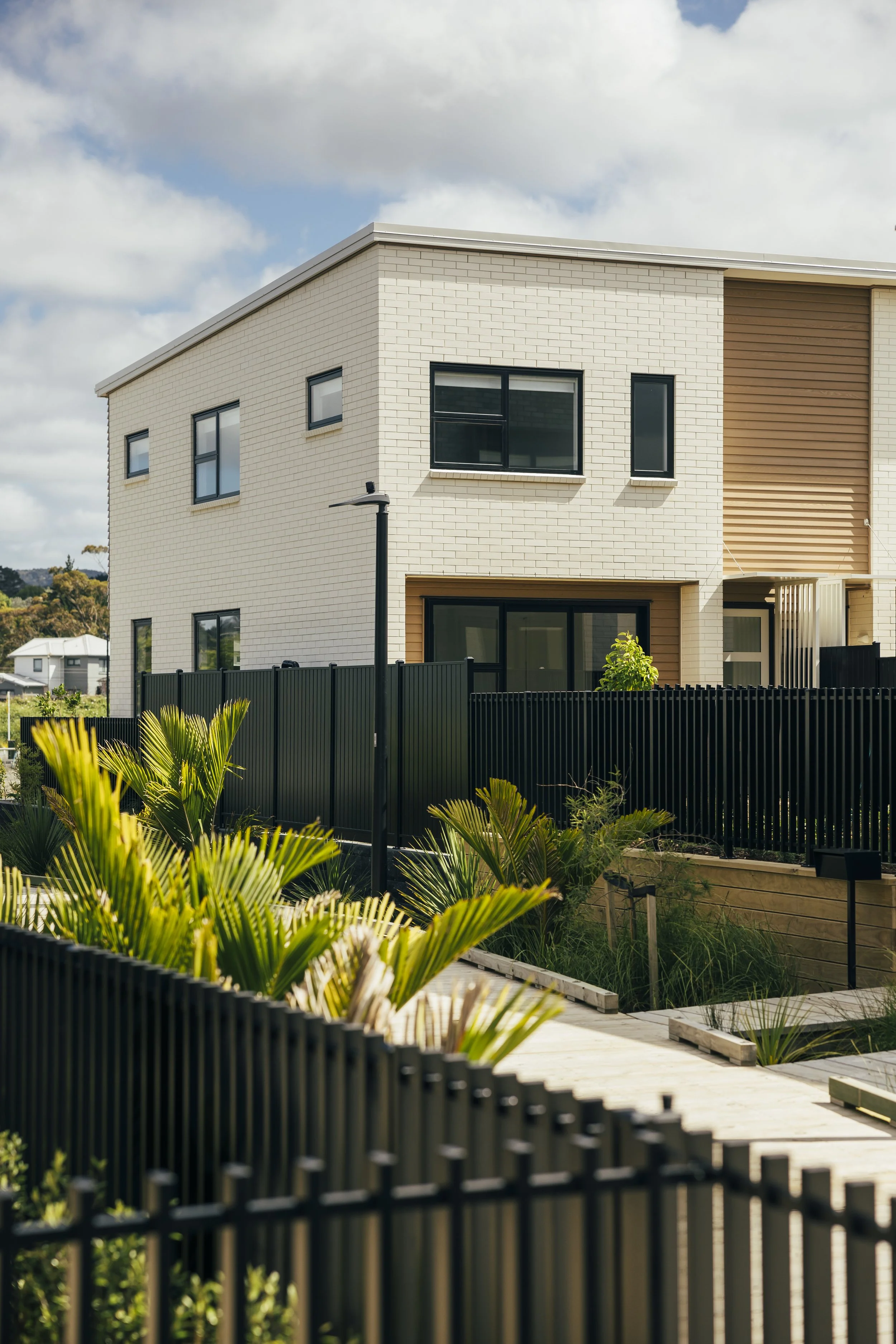
Mako aluminium fencing solutions in The Vines, Swanson
The decisions that shape all of that tend to get made early, sometimes before anyone realises they're being made. The single best process we've seen on multi-unit work is also the simplest: get the fencing supplier and the landscape architect into the same conversation at design stage, before drawings are locked. This will quietly do more for the project than any negotiation on price ever does. The supplier suggests a profile that matches the proportions of the site. The landscape architect refines the runs accordingly. Waste stays low, costs stay sensible, and the fence reads as a continuous, intentional design rather than a sequence of compromises.
For the elements that need engineering - pool fencing, balustrades, anything fall-prevention - the same principle applies. Engineered structural drawings on file, ready for council, is the difference between a sign-off that takes a week and one that takes a month.
When the spec is right, the next thing worth doing well is the take-off. A per-meter rate tells you very little about what the project will actually cost. A privacy run of ten metres, in a profile that sits in 1.8m bays, doesn't take five-and-a-half panels — it takes six. A proper take-off accounts for those rounded numbers honestly, line by line, including the posts, the gates, the hardware, and the freight. It's the number worth planning against.
The other thing worth confirming early is whether the same product will still be available for phase two and onwards. Multi-unit developments often phase across eighteen months, two years, sometimes longer, and the developments that age well are the ones with the same aluminium, finished with the same powder coat, and backed by the same warranty, even when the install dates are years apart.
The install is where consistency is finally earned. Different crews, different days, slightly different tolerances. The developments that finish well are the ones where the install is treated as part of the spec, not an afterthought. A clear answer to who is responsible for the line being right, before the first delivery, is the difference between a development that reads as one considered whole, and one that quietly tells you it was built by committee.
Underneath all of it, the developments that come together calmly tend to share one more thing: a single point of contact across the whole project. Someone who has been at the shovel end of enough installs to know what's coming, who can answer a question on Friday afternoon without checking with three other people, and who can solve a problem on site rather than escalate it. That kind of partner is worth more than any per-panel saving. They're the reason the last fortnight of a development feels calm rather than fraught.